History of Dominoes Around the World
Dominoes is one of the oldest and most widely played tabletop games in history. Although many people associate dominoes with family gatherings or casual entertainment, the game has deep cultural roots that span centuries and continents. From ancient China to modern international tournaments, dominoes has evolved into a global tradition enjoyed by millions.
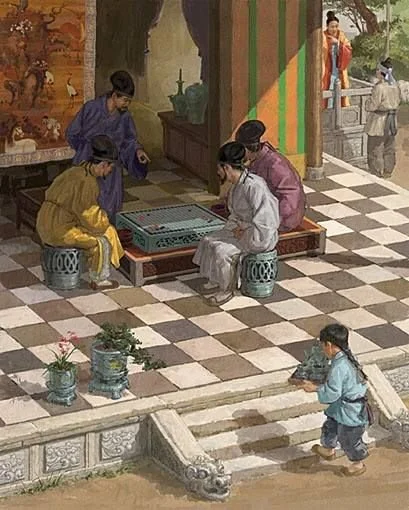
The earliest known dominoes originated in China during the Song Dynasty around the 12th century. Chinese domino sets were based on combinations of dice rolls and featured unique designs different from modern Western dominoes. These early sets were often colorful and used in multiple game variations. Dominoes quickly became popular among both common citizens and members of the upper class.
As trade expanded between Asia and Europe, dominoes eventually reached Italy during the 18th century. European players adapted the game into a simpler form using black-and-white rectangular tiles. Unlike Chinese sets, European dominoes introduced the concept of blank sides, creating the modern double-six system familiar today.
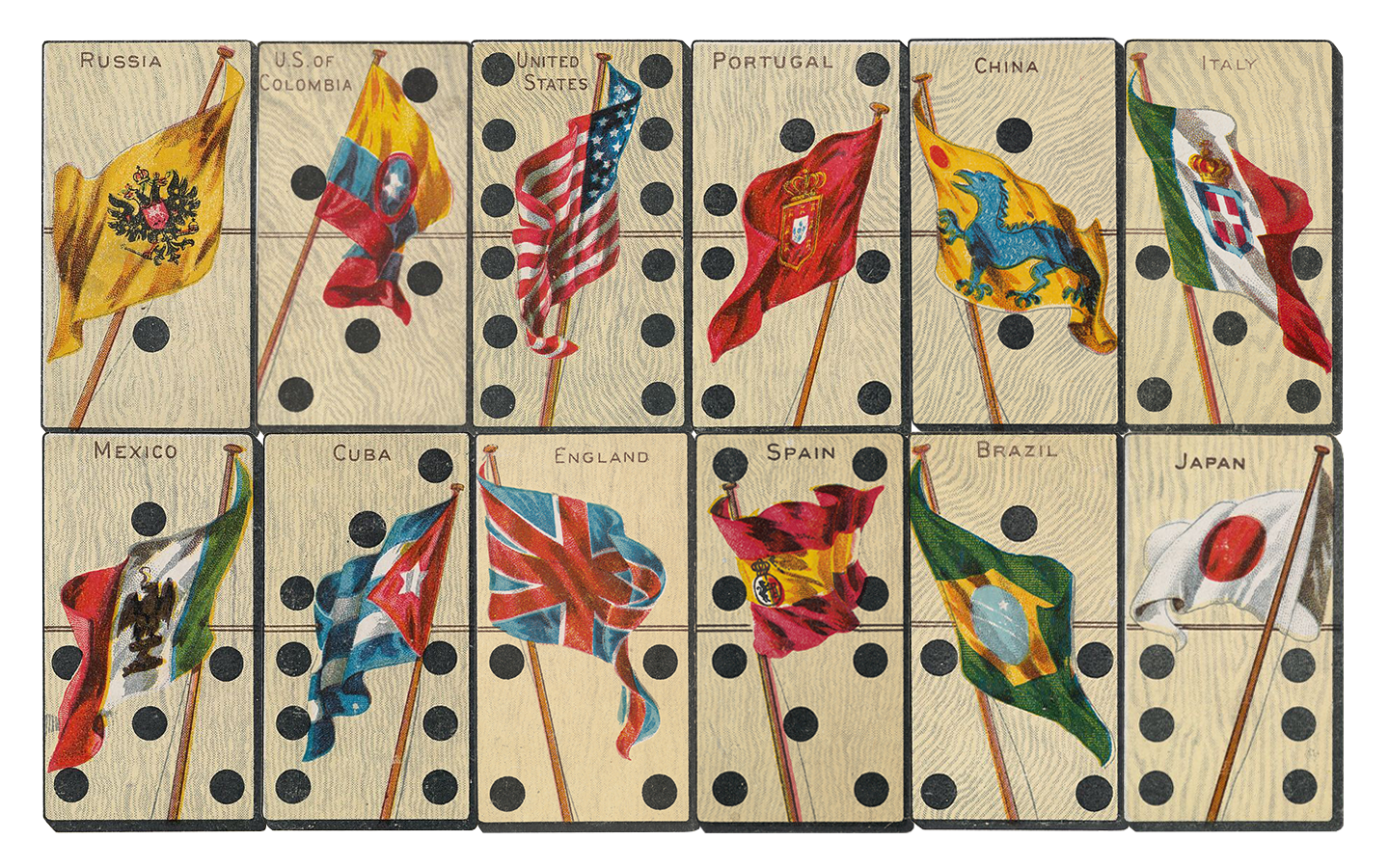
The name “domino” may come from the black-and-white hooded garments worn by European priests during winter. The contrasting colors resembled the appearance of domino tiles. Over time, the game spread rapidly throughout France, Spain, and England before eventually reaching the Americas.
Dominoes became especially important in Latin American and Caribbean cultures. Countries such as Cuba, the Dominican Republic, Puerto Rico, and Venezuela embraced dominoes as a major social activity. In many communities, domino games are more than entertainment; they represent family bonding, neighborhood gatherings, and cultural identity.
Cuban-style dominoes became particularly influential. Fast-paced gameplay, loud table slams, and competitive strategy helped create a distinctive playing culture recognized around the world. Domino parks and public tables became common gathering places in many cities with strong Caribbean communities.
In the United States, dominoes grew in popularity through immigrant communities and regional traditions. Southern states developed strong domino cultures, especially in Texas and Louisiana. Mexican Train Dominoes later emerged as a popular family-friendly variation that simplified gameplay for larger groups.
Dominoes also developed competitive tournament scenes internationally. Professional players participate in organized leagues and championships where strategy, memory, and mathematical skill play critical roles. Modern online platforms now allow players from different countries to compete instantly across the world.
The game has evolved into dozens of popular variations. Block Dominoes emphasizes strategic blocking. Draw Dominoes introduces tile drawing mechanics. All Fives rewards scoring combinations based on multiples of five. Other regional styles continue to emerge as cultures adapt the game to local preferences.
Beyond entertainment, dominoes has influenced art, mathematics, and science. Domino chains inspired the phrase “domino effect,” describing sequences where one event triggers another. Massive domino-toppling displays became popular engineering and artistic spectacles across the globe.
Technology has transformed dominoes further in recent years. Mobile apps and online multiplayer platforms introduced the game to younger generations while preserving traditional gameplay. Players can now join tournaments, practice strategy, and connect with global communities from anywhere in the world.
Despite these changes, the core appeal of dominoes remains timeless. The game combines luck, strategy, observation, and social interaction in a simple yet endlessly engaging format. Whether played casually at family gatherings or competitively in international tournaments, dominoes continues to connect people across cultures and generations.
The history of dominoes demonstrates how a simple set of tiles can evolve into a worldwide cultural phenomenon. From ancient China to modern online gaming platforms, dominoes has survived centuries because it offers something universal: competition, connection, and the joy of strategic play.